
Landscape Design and Installation in Warrenton, VA
Outdoor Spaces Shaped Around How You Live
Warrenton sits in USDA plant hardiness zone 7a, where winter lows can reach 0 to 5°F, and much of Fauquier County's soil is dense Piedmont clay that drains slowly. At Dean's Property Services, we design and install landscaping in Warrenton, VA that fits those conditions, from new planting beds and shrub borders to seasonal color and renovations of tired front yards. Our landscape installation work also reaches surrounding Northern Virginia communities where the same soil challenges apply.
We have been planning and planting outdoor spaces here for 7 years, and every design starts with how much upkeep you actually want to take on. Because we also handle mowing, mulching, and trimming, we choose plants and bed layouts we know how to care for long after installation day. Homeowners and property managers get one team from first sketch to seasonal maintenance. Share a few details about your yard through our contact page to start planning your new landscape.
Landscaping Services We Provide From the Ground Up
Planting Bed Installation
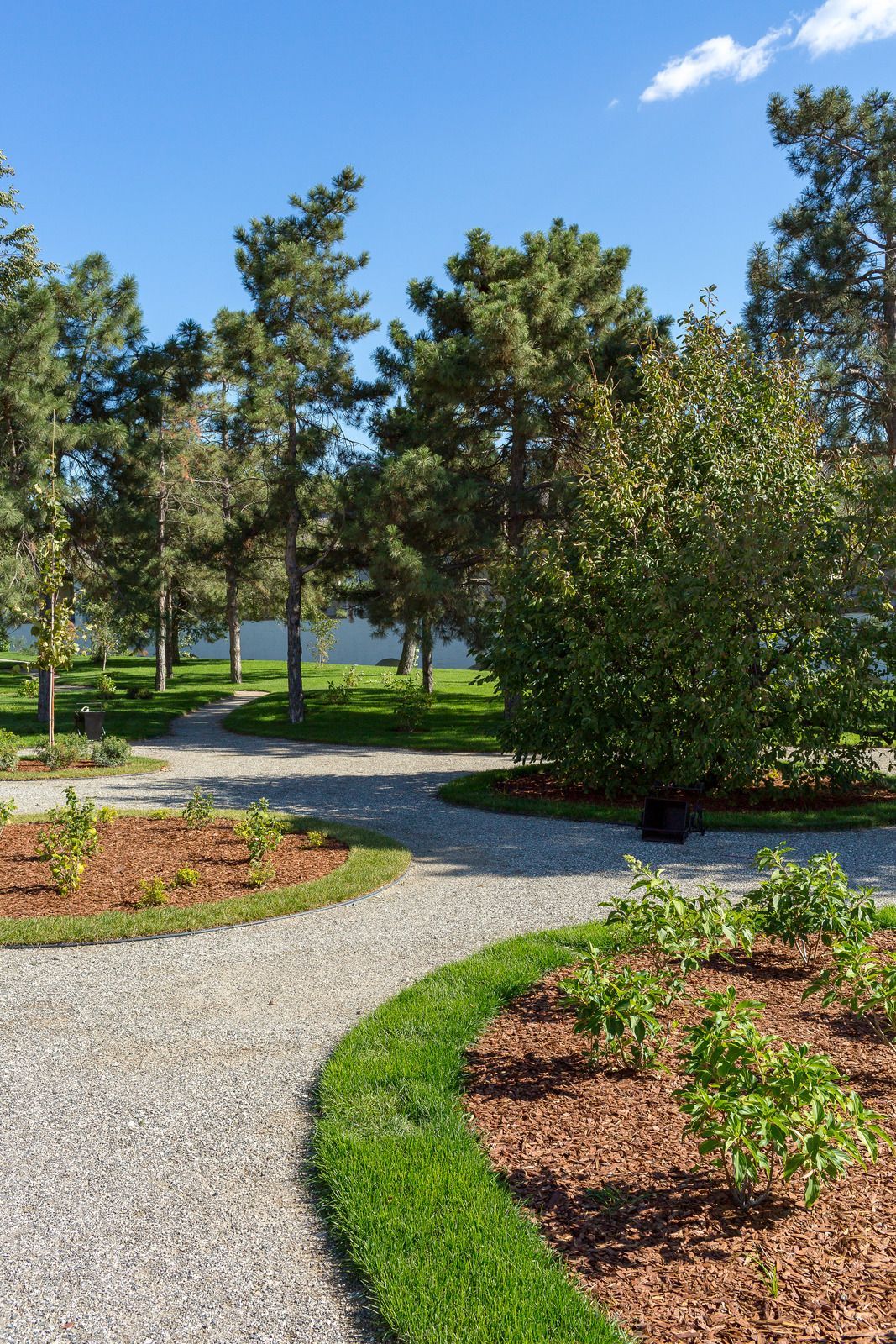
New beds start with removing turf, loosening compacted clay, and blending in organic matter so roots can spread. We shape each bed with curves or geometric lines that suit the house, then finish the surface so it is ready for planting and mulch.
Shrub and Perennial Planting
Each shrub and perennial goes in at the right depth, with the root flare sitting at or slightly above grade. Spacing accounts for mature size, so plants fill in over a few seasons instead of crowding windows and walkways within two years.
Bed Edging and Borders
A crisp edge separates turf from planting areas and keeps grass runners from creeping into beds. We cut natural spade edges or define borders along walkways and foundations, giving the whole landscape a finished outline that stays readable from the street.
Seasonal Color Plantings
Annuals and bulbs add bright color to entryways, mailbox beds, and containers when shrubs are between blooms. We rotate plantings for spring and fall, choosing varieties that tolerate Virginia heat and early frost so displays stay fresh through each season.
Overgrown Landscape Renovation
Older properties often carry shrubs that swallowed windows years ago and beds lost under weeds. We remove what cannot recover, keep the healthy plants worth saving, and rebuild the layout so the yard feels intentional again without starting from bare dirt.
Small Tree Planting
Ornamental and shade trees are set with proper spacing from foundations, driveways, and overhead lines. We plant at the correct depth, stake only when wind exposure calls for it, and mulch a wide ring so young roots establish quickly and evenly.
Why Choose Us for Landscaping
Plants Chosen for Local Conditions
Every plant on your list has to handle cold winters, humid summers, and heavy clay before it earns a spot. That filter means fewer replacements, fewer disappointing gaps along the foundation, and a landscape that looks settled and healthy instead of struggling.
Designs Sized to Your Upkeep
Some owners enjoy weekend gardening, while others want a yard that needs almost nothing. We ask how much time you want to spend outside, then shape bed sizes, plant counts, and layouts around that answer so the result stays manageable.
Care After Installation
Because mowing, mulching, and trimming are part of our regular work, the same people who plant your beds can also look after them. You never have to explain the design to a new company or watch someone else prune it the wrong way.
Tidy Work Areas
Soil, pots, and plant tags leave with us at the end of each workday. Driveways and walkways get swept, lawn edges near the beds are cleaned up, and you come home to progress rather than a construction zone that lingers for weeks.
Phased Projects Welcome
Not every landscape needs to happen in one season. We can map out the full vision, complete the front yard first, and add backyard beds or plantings later, keeping each stage consistent with the overall plan and your timing.
Straightforward Recommendations
If a tree is planted too close to the house or a shrub will outgrow its spot, we say so before anything goes in the ground. Clear advice up front saves you from expensive removals and awkward redesigns a few years later.
A Yard That Looks Better Every Year It Grows
The best landscapes are the ones that improve with age instead of outgrowing their beds. Dean's Property Services builds landscaping in Warrenton, VA around plants that suit the site and a layout you can live with for years, so the yard you picture keeps looking right as it matures. There is no pressure to finish everything at once, and one well-planned bed is a perfectly good start. When you are ready to picture what your yard could become, tell us about the spaces you want to change using our contact form, and we will talk through ideas at your pace.
Frequently Asked Questions
When is the best time to plant shrubs in Northern Virginia?
Fall is usually ideal, since cooler air and warm soil let roots grow before summer stress arrives. Early spring also works well. Summer planting is possible, but new shrubs then need more consistent watering to survive July and August heat.
How far from the house should shrubs be planted?
Measure the shrub's mature width, then plant at least half that distance from the foundation, with a little breathing room. A shrub that grows 6 feet wide belongs 3 to 4 feet out, leaving space for airflow and siding maintenance.
How do you improve heavy clay soil for new plantings?
At Dean's Property Services, we loosen clay across the whole bed instead of digging isolated holes, then blend in compost to improve drainage. Around Warrenton, VA, that approach keeps water from pooling around roots and helps new plantings establish faster.
How often should new plantings be watered?
Most new shrubs and perennials need about an inch of water weekly during their first growing season, delivered slowly at the base. Check soil a few inches down before watering again, because clay holds moisture longer than the surface suggests.